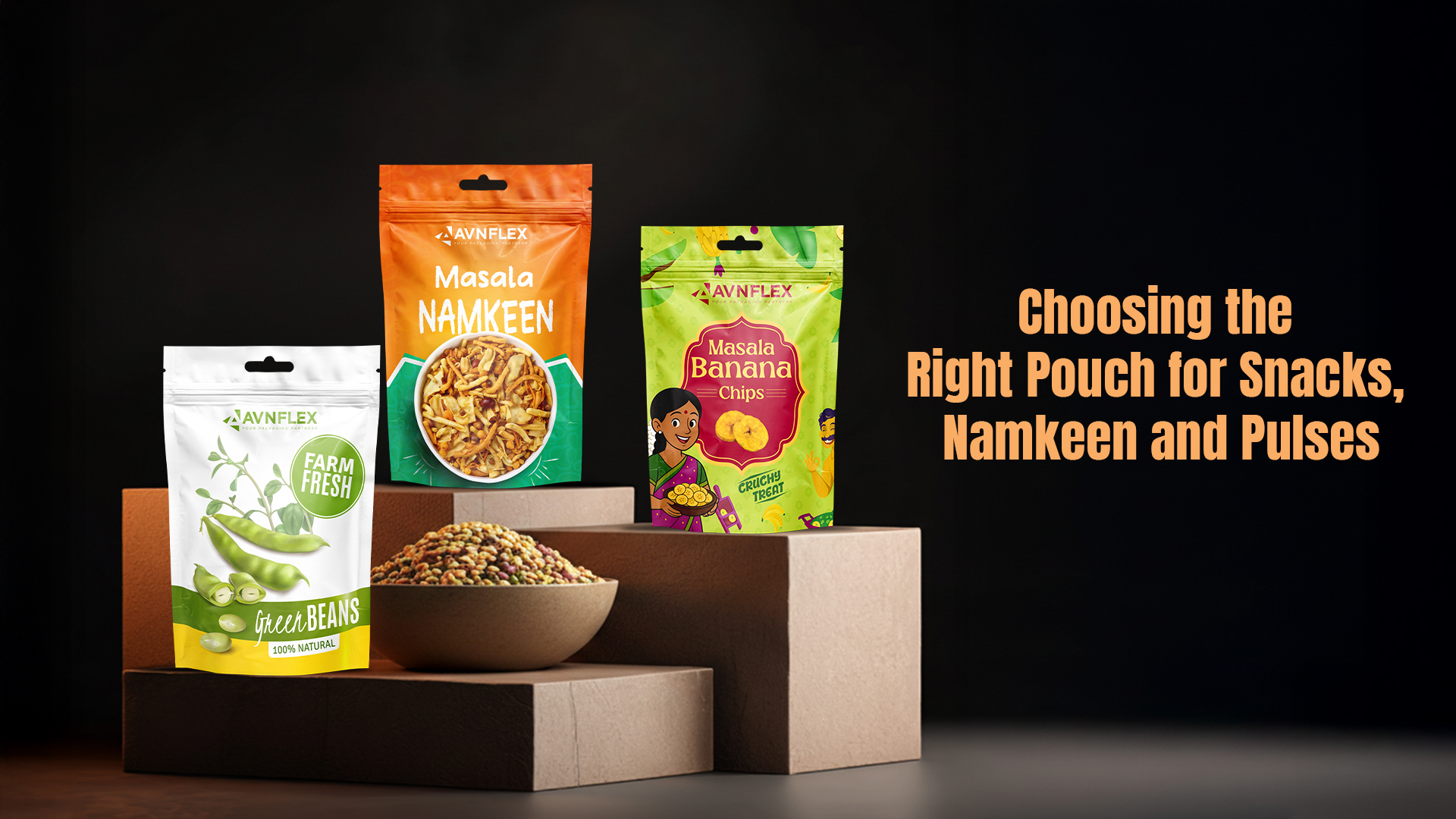
Snacks, namkeen and pulses may belong to different product categories, but in retail they face the same challenge. Shelf space is tight, customer attention is short and the product must stay fresh till the last serving. This is where the choice of pouch format matters just as much as the recipe or ingredients. The right packaging helps a product stand properly, stay visible and survive transport without losing quality. Many brands only look at print design when planning packaging, but retail performance mostly depends on structure and barrier.
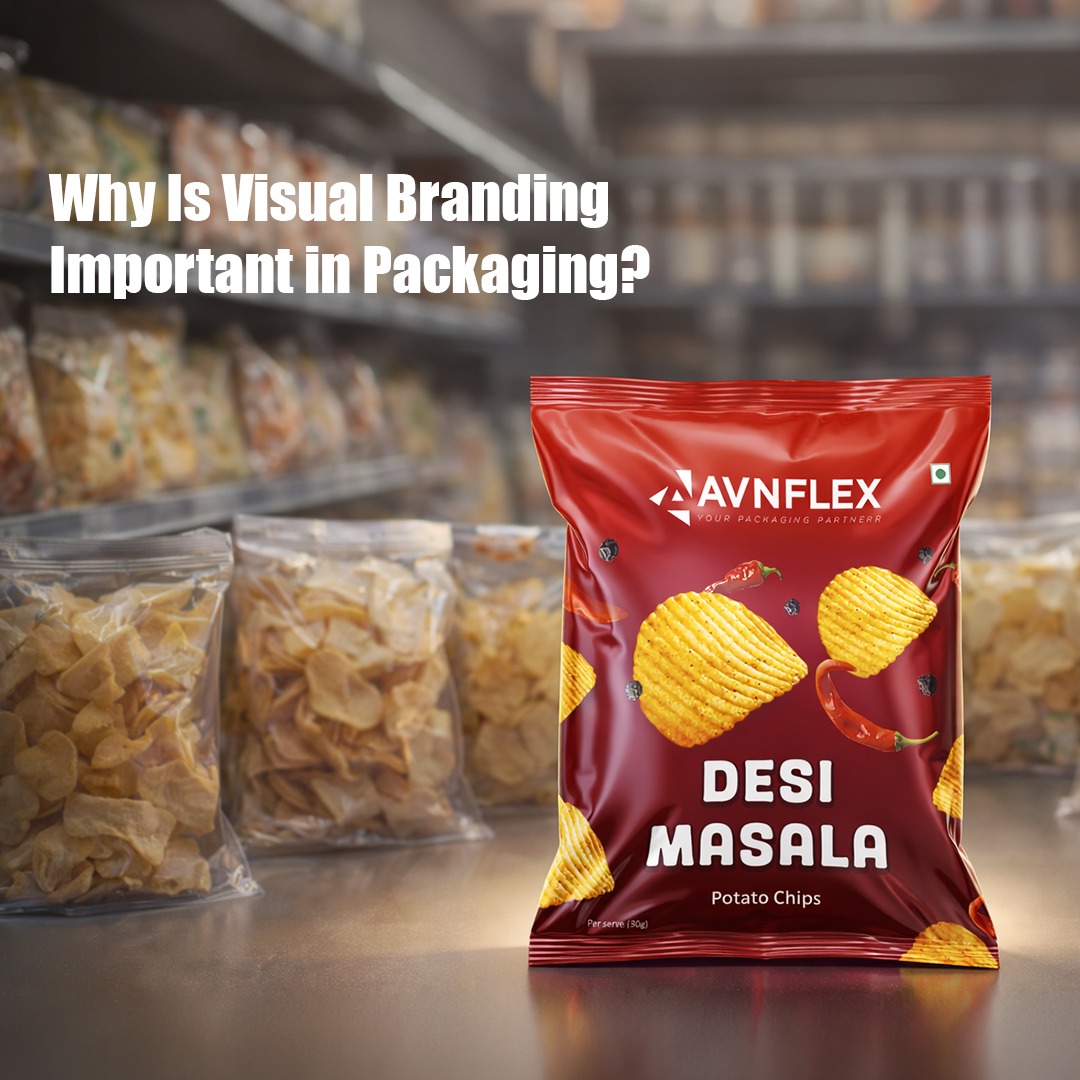
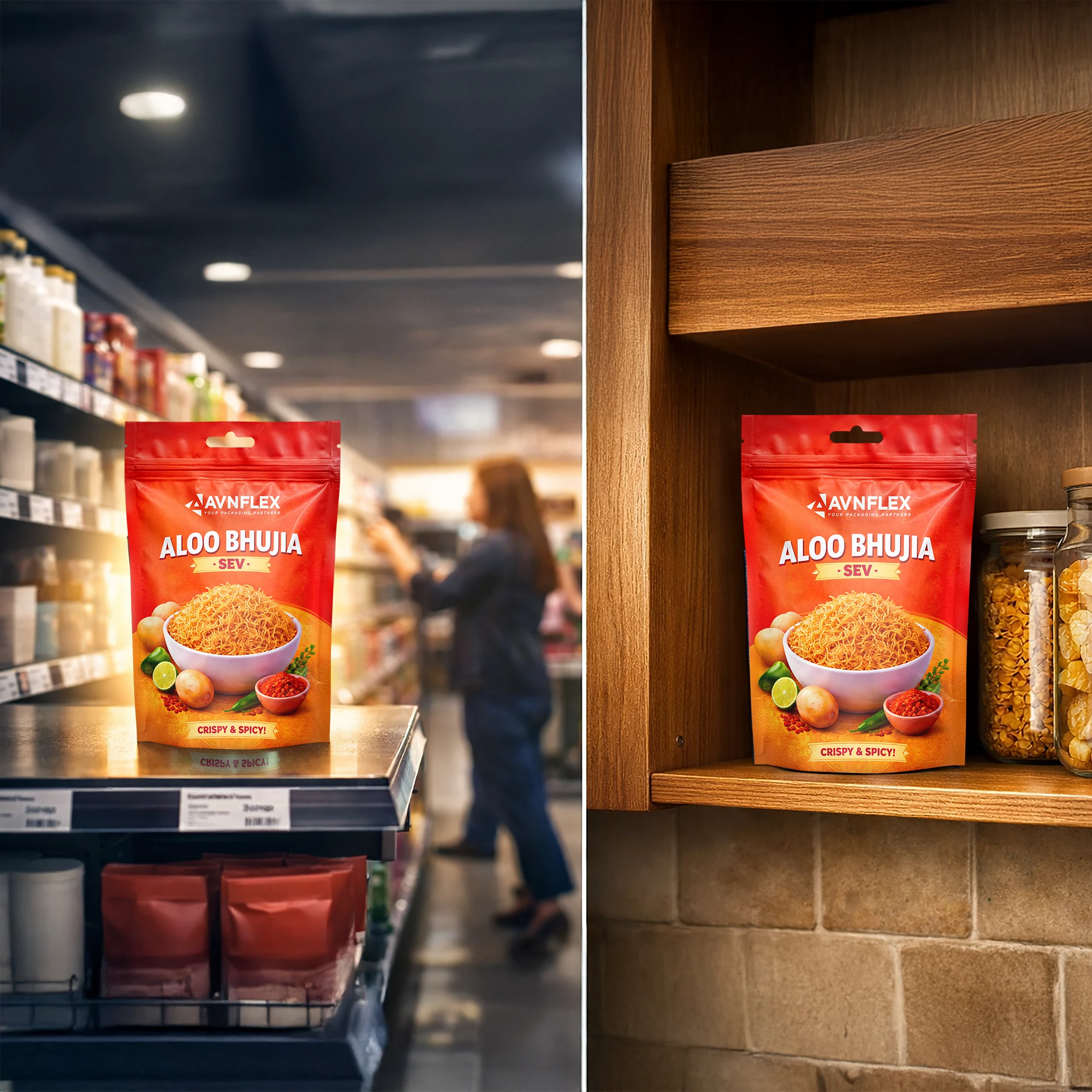
Stand up pouches remain one of the most practical options for snacks and namkeen. They sit upright on shelves even when the packet is half full. That small detail decides whether the customer notices the product or walks past it. The bottom gusset supports weight, the overall structure resists crushing and retailers prefer the format
because it lines up neatly during restocking. For products like chips or extruded snacks, the pouch can be paired with the right barrier film to slow down oxidation and retain crunch.
Namkeen and mixtures often contain oil, making them more sensitive to air exposure. A pouch with the correct barrier material prevents the product from turning rancid too soon. Avnflex helps brands choose laminate combinations that match the oil content, expected shelf life and distribution route. When the barrier is matched
correctly, the product retains aroma without absorbing moisture from the surroundings. This is especially important for regions with fluctuating climates.
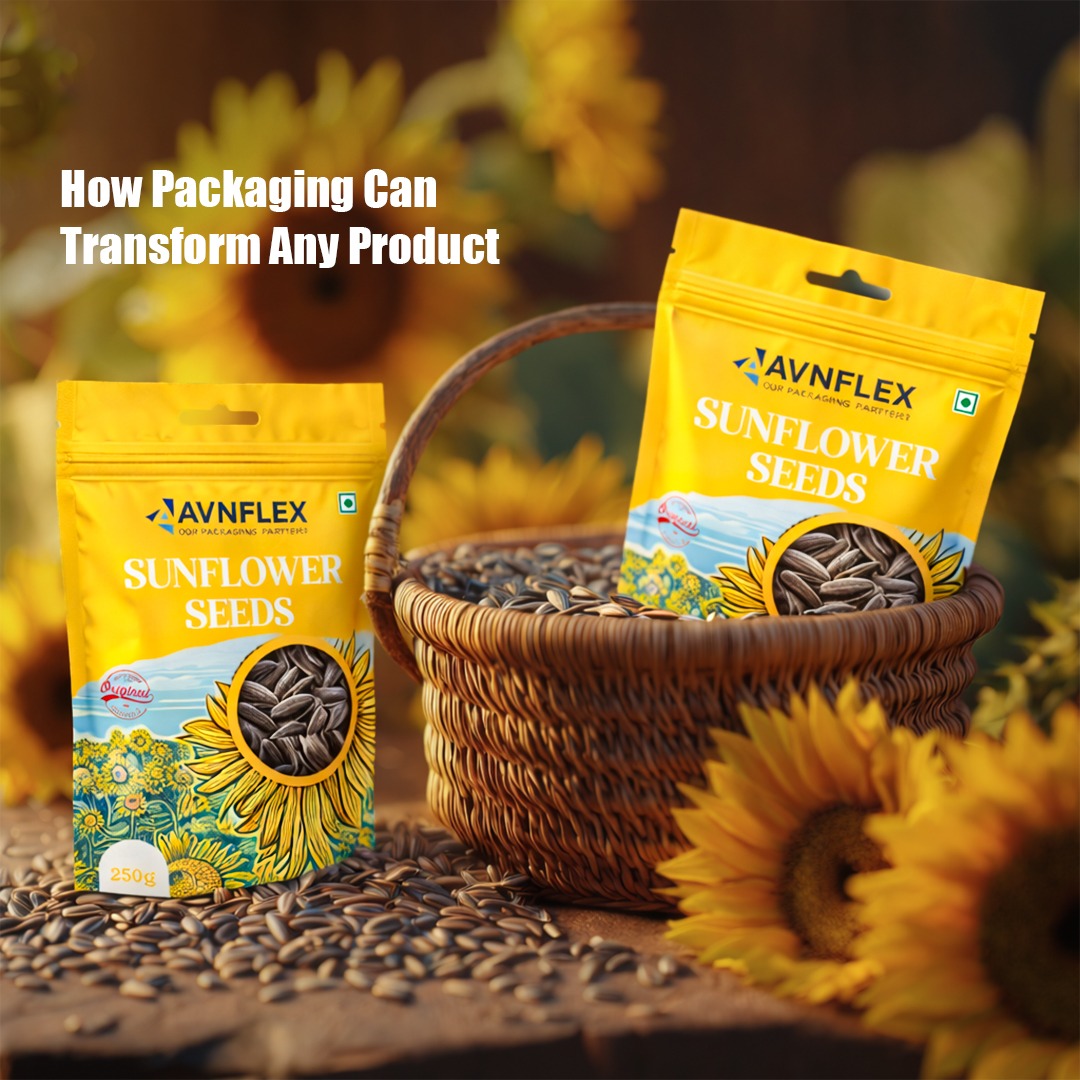
Pulses require a slightly different approach. They do not lose crunch like snacks, but they react quickly to moisture and pests. A strong laminated pouch protects the product during long storage periods. Pulses also need clear visibility of the pack size and content, so the structure should be stable on shelf. Stand up and flat bottom pouches perform well in this segment because they resist tearing, take less space
and give retailers a cleaner display.
Zipper options also matter for pulses and specialty mixes that customers buy in larger quantities. A zipper helps in repeat use without requiring a separate container at home. It keeps the grains dry, prevents spillage and maintains product hygiene. This simple upgrade can influence customer preference, especially in urban markets.
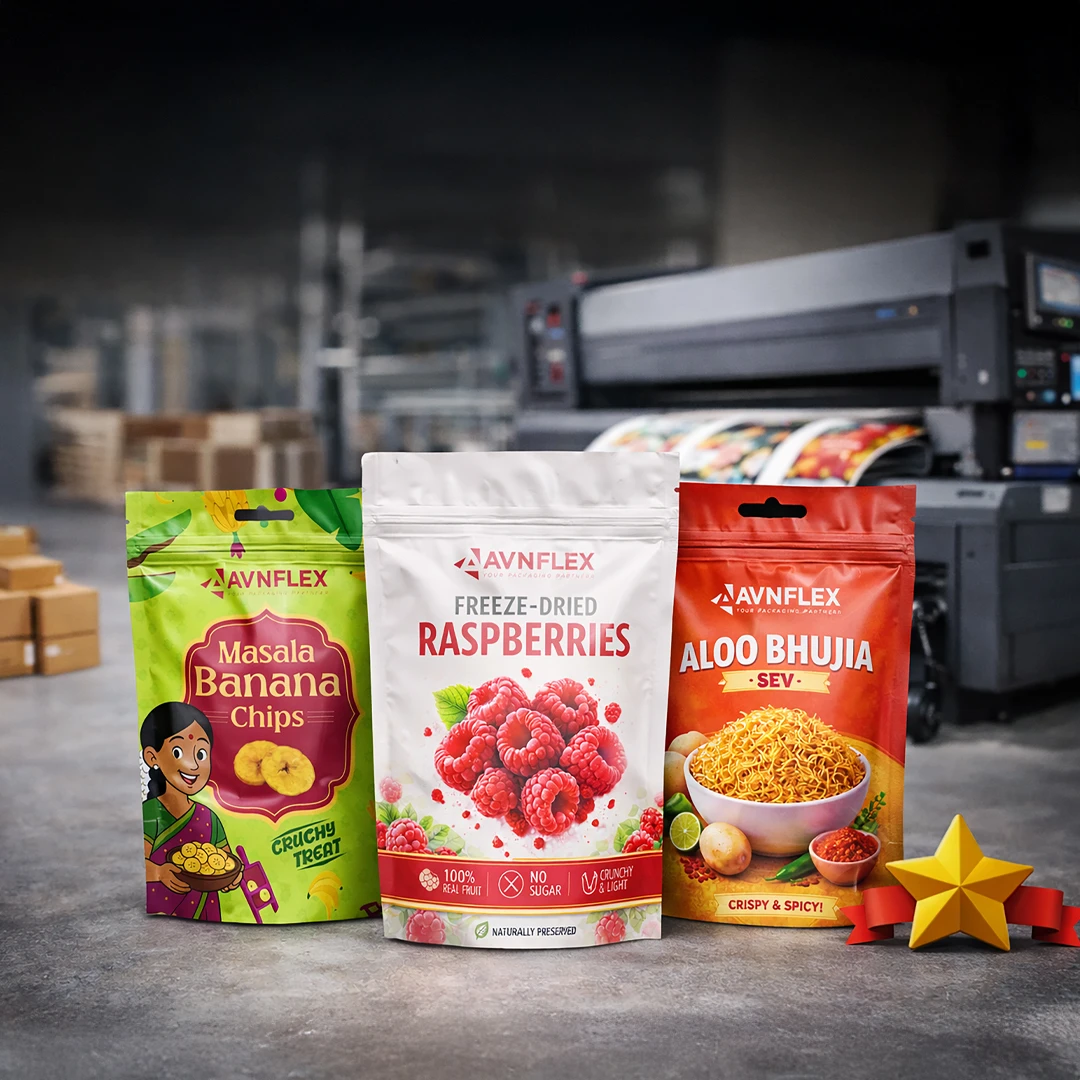
The printing method is another factor worth considering. Digital print pouches work well for new flavours, limited editions or regional packs because brands do not need to commit to large quantities. Rotogravure printing suits higher volumes and delivers consistent output for long running SKUs. Avnflex supports both methods so brands
can choose based on volume planning and seasonality.
Retail performance depends not only on how the pack looks but also on how it survives the entire journey from warehouse to shelf. A pouch that tears easily, fails to stand or loses barrier protection results in complaints and returns. A pouch with the right structure looks clean, stacks better and helps retailers maintain a tidy shelf. That
directly contributes to more visibility and higher pick up.
Choosing the right pouch for snacks, namkeen and pulses involves understanding the product and the retail environment equally. When brands focus on both, they get packaging that protects, performs and builds presence. Avnflex works with businesses across these categories to help them select pouch packaging that aligns with product needs and retail realities.